How we judge vacuum cleaners on this page
We treat vacuum cleaners as different buyer routes first, not as one interchangeable category. A cordless stick, a corded canister, a handheld compact, a wet-dry model, and a vacuum marketed for pet hair should not be judged by the same expectations unless the product evidence clearly supports that route. On this page, the recommendation starts with explicit format evidence, then moves to the practical consequences of suction power, runtime or cord limits, dust handling, filtration, weight, and everyday upkeep.
That means we translate specs into daily use. A lighter body can matter more on stairs than in a one-room apartment. A larger dustbin can reduce emptying friction, but it may also come with more bulk. A long runtime helps only when the vacuum is clearly meant for whole-home cleaning. If the listing does not clearly support a claimed use case, we would rather leave that route unproven than overstate it.
What usually changes the verdict
Format and home fit
The vacuum format is often the first shortlist filter because it changes storage, reach, setup, and whether the machine fits the home at all. Cordless stick models can make sense for quick, frequent cleaning and smaller spaces when runtime and weight support that use. Corded canisters can be a better fit when uninterrupted cleaning matters more than grab-and-go convenience. Handheld compact models only make sense as the main route when the evidence supports smaller jobs like spot cleaning, stairs, or car interiors. Wet-dry models need clear evidence that the added cleaning mode is central rather than just a headline feature.
Cleaning power, runtime, and dust handling
We look at suction power, runtime, dustbin capacity, and filtration as buyer-facing trade-offs, not isolated numbers. Strong suction claims are only useful when they are clearly specified and fit the product route. Runtime matters more for larger homes and deep-clean sessions; corded use matters more where stopping to recharge would be a daily annoyance. Dustbin capacity affects how often you have to stop and empty, while filtration matters more for buyers who care about finer dust control or who are specifically filtering for HEPA or washable systems.
Handling, noise, and maintenance friction
Weight and handling can change whether a vacuum feels easy or tiring in real use, especially for stairs, above-floor cleaning, and quick daily pickup. We also pay attention to maintenance friction: whether filters are washable, whether consumables are vague, and whether attachments such as a motorized brush are clearly included when they affect the intended use. If setup, compatibility, or upkeep is unclear, that uncertainty can lower confidence even when the headline specs look appealing.
Real-world use lenses we keep in mind
Readers usually are not choosing a vacuum in the abstract; they are trying to solve a specific cleaning routine. So we read listings through practical scenes:
- Daily apartment: Is the format easy to store, quick to grab, and credible for frequent light cleaning without unnecessary bulk or charging friction?
- Pet hair home: Is there explicit evidence for the pet-hair route, such as the right format or brush setup, rather than a vague marketing claim?
- Stairs and car: Does the weight, size, and route make sense for carrying, maneuvering, and short cleaning sessions?
- Large home deep clean: Do runtime, corded use, dust capacity, and handling support longer sessions without constant interruptions?
These lenses help show whether a product is credible for the intended real-world job, not just attractive on a spec sheet.
Red flags that matter in this category
- A vacuum is grouped as cordless stick, canister, handheld, wet-dry, or pet-focused without explicit evidence to support that route.
- A standout feature is treated as proven cleaning performance without source support.
- Important daily-use details such as filter type, consumables, maintenance steps, or attachment compatibility are vague.
- A recommendation depends on a measurement or claim that is not actually present in the evidence.
In practice, the specs that most often separate strong options from weak ones are format, suction power, runtime, dustbin capacity, weight, and filtration. Those are also the details most likely to shape the comparison table and filters on this page.
How to use this page
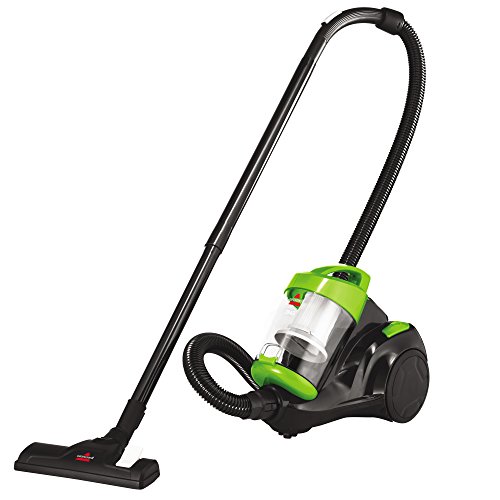
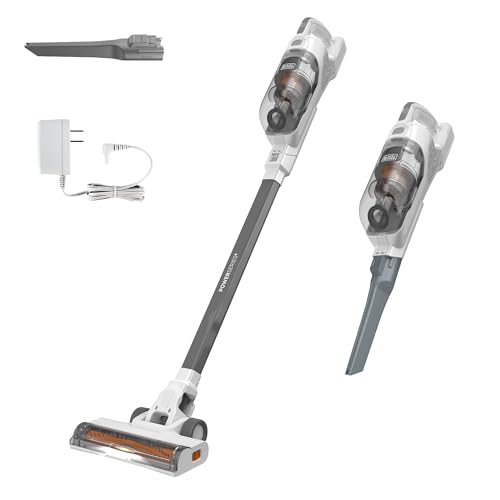
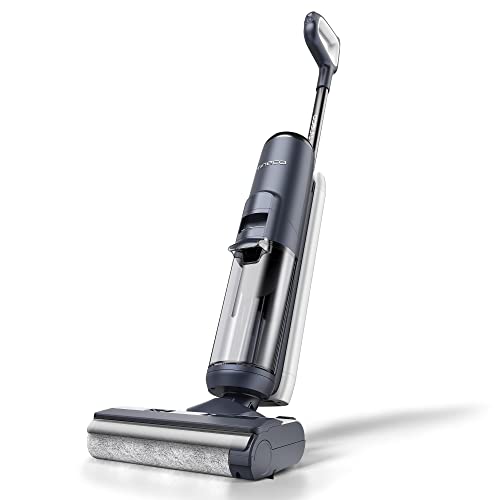
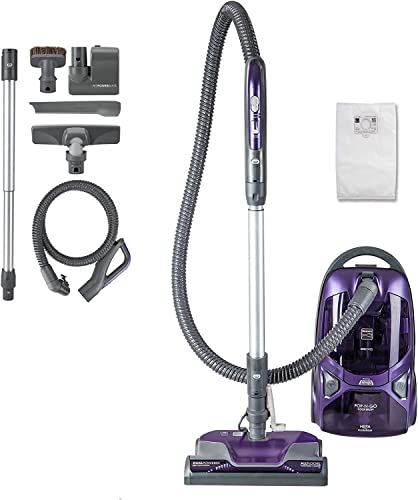
Start by choosing the route that matches your home and cleaning routine. Pick a Vacuum Balai Sans Fil when explicit evidence shows it is the best fit for convenient everyday vacuuming; skip it when another route offers clearer proof or less daily friction. Consider a Vacuum Traîneau Avec Roues when uninterrupted cleaning and home coverage matter more than portability. A Vacuum De Main Ou Convertible makes the most sense when the evidence supports compact jobs like stairs, spot messes, or car cleaning. Choose a Vacuum Laveur Ou Humide/Sec only when the wet-dry route is clearly supported and useful for your floors.
Once you have the right route, compare the products on the practical details: how they clean, how long they run or whether they stay plugged in, how much dust they hold, how heavy they are, and how much maintenance they add to your week.
What we review in this category
For vacuum cleaners we review documented evidence around format, home fit, cleaning power, runtime or cord, filtration, dust handling, noise, ergonomics, price, and user feedback when useful.
Format and home fit
Weight 18%. This axis evaluates Format and home fit with criteria specific to the category and buyer route.
See technical evidence we review
Technical measures
- Documented values for cordless/upright/canister/handheld format, suction AW/Pa, brushroll, floor head, runtime by mode or cord length, HEPA/sealed filtration, bin/bag capacity, weight and noise dB.
- Compatibility limits, included hardware, operating modes, and recurring maintenance evidence.
Reading context
- The same headline spec is read differently by home layout, surface, workload, and setup friction.
Common cautions
- Generic claims are treated cautiously without explicit units, compatibility, or behavior evidence.
Cleaning power
Weight 28%. This axis evaluates Cleaning power with criteria specific to the category and buyer route.
See technical evidence we review
Technical measures
- Documented values for cordless/upright/canister/handheld format, suction AW/Pa, brushroll, floor head, runtime by mode or cord length, HEPA/sealed filtration, bin/bag capacity, weight and noise dB.
- Compatibility limits, included hardware, operating modes, and recurring maintenance evidence.
Reading context
- The same headline spec is read differently by home layout, surface, workload, and setup friction.
Common cautions
- Generic claims are treated cautiously without explicit units, compatibility, or behavior evidence.
Runtime or cord
Weight 18%. This axis evaluates Runtime or cord with criteria specific to the category and buyer route.
See technical evidence we review
Technical measures
- Documented values for cordless/upright/canister/handheld format, suction AW/Pa, brushroll, floor head, runtime by mode or cord length, HEPA/sealed filtration, bin/bag capacity, weight and noise dB.
- Compatibility limits, included hardware, operating modes, and recurring maintenance evidence.
Reading context
- The same headline spec is read differently by home layout, surface, workload, and setup friction.
Common cautions
- Generic claims are treated cautiously without explicit units, compatibility, or behavior evidence.
Filtration and dust
Weight 18%. This axis evaluates Filtration and dust with criteria specific to the category and buyer route.
See technical evidence we review
Technical measures
- Documented values for cordless/upright/canister/handheld format, suction AW/Pa, brushroll, floor head, runtime by mode or cord length, HEPA/sealed filtration, bin/bag capacity, weight and noise dB.
- Compatibility limits, included hardware, operating modes, and recurring maintenance evidence.
Reading context
- The same headline spec is read differently by home layout, surface, workload, and setup friction.
Common cautions
- Generic claims are treated cautiously without explicit units, compatibility, or behavior evidence.
Handling and noise
Weight 18%. This axis evaluates Handling and noise with criteria specific to the category and buyer route.
See technical evidence we review
Technical measures
- Documented values for cordless/upright/canister/handheld format, suction AW/Pa, brushroll, floor head, runtime by mode or cord length, HEPA/sealed filtration, bin/bag capacity, weight and noise dB.
- Compatibility limits, included hardware, operating modes, and recurring maintenance evidence.
Reading context
- The same headline spec is read differently by home layout, surface, workload, and setup friction.
Common cautions
- Generic claims are treated cautiously without explicit units, compatibility, or behavior evidence.
Editorial judgement still leaves room for incomplete documentation, weak claims, or practical friction that a spec table does not fully capture.